
Picture your hotel on a sold-out Saturday. There’s a wedding in the ballroom, and a corporate breakfast in the conference center. Your guest rooms are at full occupancy, and your spa is running at capacity. Everything is happening simultaneously, and the issue is: all of it requires hot water.
Most hotel water heating systems are sized for guest room demand—not the added load of active event and banquet operations. But it’s critical that hotels are prepared with enough hot water for their busiest moments.
Key Takeaways:
- Hotel water heating systems are usually sized for guest room demand, not spikes that come with weddings, events, and banquets.
- Events create hot water demands in unexpected areas like catering kitchens, restrooms, laundry, bar service, and spa operations.
- Recovery rates are important. Your system must be able to replenish between demand peaks.
- Even a single hot water failure can hurt reviews, referrals, and repeat bookings.
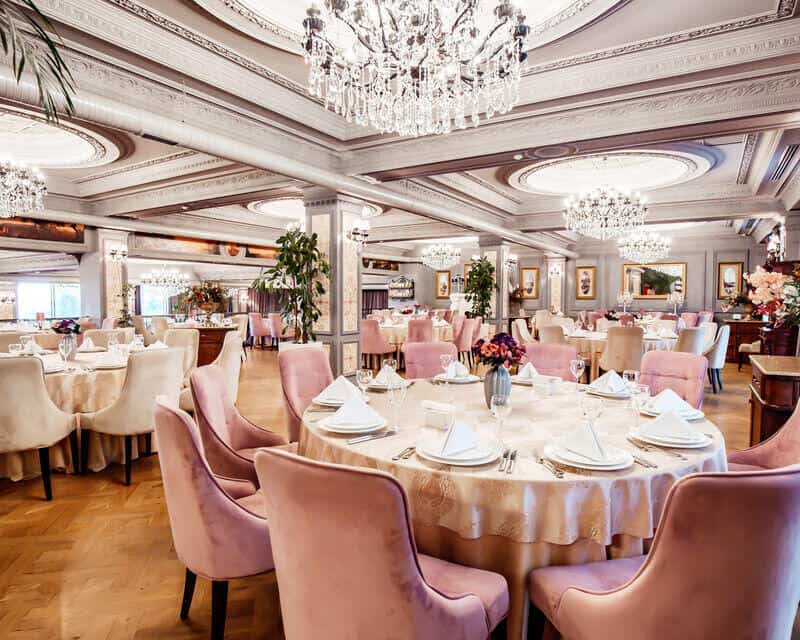
Why Event Space Hot Water Demand Is Different
An unexpected shortfall of hot water during a major event isn’t just an inconvenience. It can damage your hotel’s reputation and revenue. In a business where price competition is fierce and reviews abound, just one incident can be extremely costly.
When sizing your hotel water heater, guest room demand is a fairly predictable part of the equation. Assume that there are hot water usage peaks during morning showers and again in the evening turndown. There’s usually a steady baseline that can make it easy to calculate “regular” capacity.
Event and banquet demand is much less predictable. The demand for hot water can spike hard and fast. It can be intense in the moment and happen with little notice. Event hot water demand is driven by external schedules (wedding timelines, conference agendas, catering service windows), and these schedules aren’t always within your hotel’s control.
Back-to-back events only compound the issue. Without a recovery window between a Saturday morning corporate conference and a Saturday evening wedding reception, your hot water can fail because there’s not enough time to replenish.
While on the surface, events may not seem like high hot water demand situations, it becomes more of a strain when you factor in event staff, catering teams, and vendors also creating demand. Handwashing, equipment cleaning, and use of the kitchen…it all quickly adds up to water demands that go beyond your capacity planning.
Where Hot Water Demand Hides in Event and Banquet Operations
To truly understand the hot water demands of events, let’s break it down by the different areas around the typical hotel.
Banquet and Catering Kitchens
High-volume dishwashing is required during, as well as after, service. Commercial dishwashers are particularly demanding on your hot water supply, because the temperature of the wash water must meet health codes.
Pot washing and equipment sanitizing are often needed in between courses and after service as well. Plus, hand washing stations require consistent hot water for safe sanitation standards.
Food prep has its own hot water requirements. Blanching, steaming, cleaning produce, and other kitchen jobs call for hot water. In the kitchen, everything is happening at once during service, and demand doesn’t stretch evenly across shifts.
Event Restrooms and Guest Facilities
During weddings and other events, you’ll have many guests who need to use restrooms. During cocktail hour, intermission, and between sessions, hot water demands are short, intense, and frequent spikes. It’s not like the steady flow of guest room usage. In fact, many of the attendees may not be lodging guests at your establishment.
ADA compliance requirements can add to hot water demand as well. You may need to ensure water is available at a specific temperature.
Demand can also go up pre-function in lobbies and cocktail spaces as people gather (and use hot water) before large events.
Linen and Laundry
Then there are the linens! Events generate a significant volume of linens—napkins, tablecloths, and staff uniforms. If your event goes late, post-event laundry will likely run overnight…and right into your morning guest room demand.
Hotels that host multiple events per week often find they’re running laundry operations almost continuously throughout the day. When it comes to linens, hot water temperature consistency is important for sanitation and to protect the quality of your linens.
Bar and Beverage Service
Having a pre-event cocktail hour? Plan on glass washing that requires constant hot water, both for sanitation and appearance. After all, guests want to imbibe from a clean vessel, and the key to clear, clean glassware is hot water.
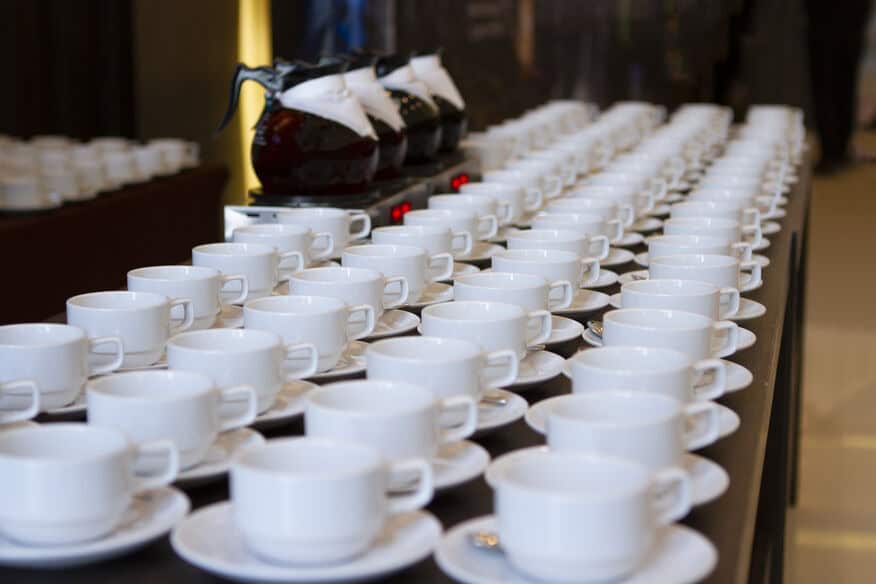
Coffee and hot beverage stations add a small, but not insignificant, demand during breakfast events and breaks. Morning events can feel the pressure, as can evening events that close meals with coffee and tea.
Finally, any and all bar equipment calls for plenty of cleaning and sanitation in between events and at the close of the night. Cleanliness is a must, and hot water is non-negotiable.
Spa and Fitness Center (when adjacent to event operations)
Hosting weddings or corporate event weekends means planning for a spike in spa bookings. Guests often book treatments right before or right after events, which can put a simultaneous demand on your spa and banquet operations.
If you have a pool or hot tub, its maintenance also increases the baseline demand, regardless of event schedules (but more visitors often mean more demand for the pool and fitness area).
Why Standard Hotel Water Heating Often Falls Short
Most commercial water heaters are sized based on occupancy load. At first glance, it makes sense to look at the use of rooms and fixtures. It’s the best way to calculate your average daily usage.
The issue comes in when event spaces are treated as secondary or ancillary in the equipment sizing process. Hotel owners get a system that can comfortably handle a fully occupied hotel, but it gets pushed beyond limits when a large event is scheduled on top of the bookings.
Recovery rate matters as much as capacity. If the system can’t recover in between spikes in demand, then the problem only compounds throughout a big event.
Is your establishment older? Older hotels face an additional challenge. Water heater sizing may have been based on the original footprint. That means it might not account for event space additions or renovations.
Unfortunately, the cost of getting water heater sizing wrong is high: cold water complaints, failing dishwashers, health code violations, and a catering team that can’t do its job. There’s also a true risk of ruining someone’s one-in-a-lifetime event, which can definitely haunt your reputation and reviews for a long time.
How to Assess Whether Your Hotel Has a Hot Water Gap
So, how do you know if your hotel has a hot water gap? Pause and answer the following questions:
When was your water heating equipment last evaluated against your current event capacity?
Do you know your system’s recovery rate and how it compares to your peak event demand?
Have you ever received complaints about hot water during or after large events?
Has your event space been expanded or renovated since your water heating system was installed?
Has your event booking volume increased significantly in recent years?
The honest answer that many hotels find is that their equipment was sized for a different version of their establishment. If this applies to you, it may be time to request a professional assessment.
During an evaluation, we can look at your current fixtures and usage, help you plan for peak demand windows, pinpoint your recovery rate, and explore the need for redundant water heater solutions.

Matching Hot Water Capacity to Event Demand
The solution to hot water concerns is having the right-sized system. A professional assessment should look at actual peak demand usage, not just occupancy-based estimates. This gives you a starting point.
For hotels with significant event operations, sizing must include calculations of the banquet kitchen, the laundry, and event restroom demands. These numbers are separate from the guest room baseline.
Targeted booster heaters can help in high-demand zones. Booster heaters for banquet kitchens and laundry can supplement the main system during peak demand (without requiring an entire hot water system revamp). Boosters are particularly useful for hotels that have added event spaces after the original water heating infrastructure was installed.
Redundancy planning is another good way to keep up with demand. Backup water heating capacity isn’t just for emergencies. It offers you a buffer during events and busy periods. For hotels running events five to seven nights per week, redundancy is a revenue protection strategy. It’s a must-have, not a luxury.
At Reliable Water Services, we can help you with rental plans for water heater equipment sized for actual demand. We can help with installation and 24/7 service coverage. So, when a water heater fails at 6 pm on a Saturday before a 200-person wedding reception, you won’t have to wait until Monday morning for a service call.
Don’t Let Hot Water Let Your Guests Down
When it comes down to it, hot water failures during big events don’t fade quietly under the radar. They have a domino effect on your reviews, referrals, and repeat bookings. In the hospitality industry, we know a wedding or event venue lives and dies by word of mouth, so one high-profile failure can cause a ripple across an entire market.
Wedding and corporate event planners have plenty of options out there (and very long memories); if your property doesn’t execute the event flawlessly, you won’t get rebooked. This can be dire for a hotel, because event and banquet operations are a significant and growing revenue stream with good margins. In this industry, they deserve the same focus and care as your guest rooms.
Fortunately, the hot water demands of an event space aren’t a mystery. They’re easy to calculate and controllable with the right commercial water heating equipment and the right partner. The costs of a water heater failure during an important event almost always exceed the cost of proper equipment planning.
If you want guests to remember your space for the food, the service, and the experience (not the lack of hot water), contact Reliable Water Services today for a hot water assessment for your property. We can help you make sure your system is sized for the events you’re booking, not just the rooms you’re filling.