
You can’t afford to ignore your hotel water usage – not just for the environment, but also for your profit margin. For hotel owners and managers, it’s all about keeping the utility costs per room down while keeping guest comfort up. Here are some tips to help you strike that balance.
Key Takeaways for Hotel Owners & Managers
- Bathrooms, kitchens, and laundry are the biggest drivers of hotel water usage — start here for the fastest savings.
- Reducing hot water waste also reduces energy use, making water heaters and boilers part of the efficiency conversation.
- A basic water audit and routine meter checks help hotels monitor water usage and catch costly leaks early.
Hotels Require a LOT of Water
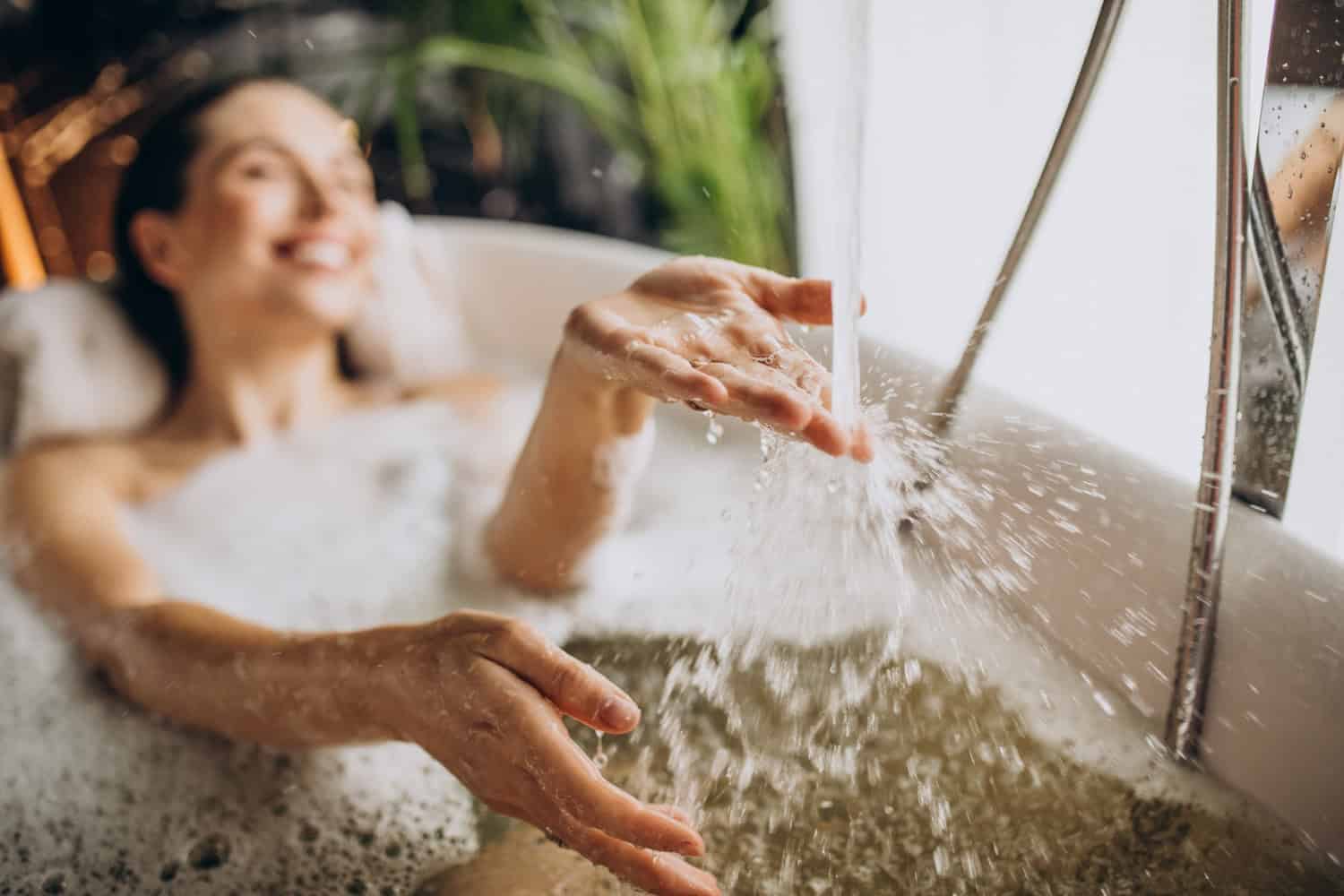
You’ve got more than just rooms to manage. There are kitchens, multiple public and in-suite bathroom facilities, pools and hot tubs, laundry, cooling, heating, and landscaping. All of these places use an incredible amount of water, and if you don’t understand how quickly those water usage costs can add up, then your hotel could be missing out on some serious money. Learn how to reduce water usage, help save the environment, and potentially improve your bottom line in the process.
Wasted water means increased costs. Ultimately, these are usually passed on as room fees, and in this competitive hospitality industry, raising fees means fewer hotel guests, and fewer guests mean lower overall profits (putting you in a position to raise room fees again). Additionally, there are environmental implications of wasting all that water, which can impact your brand reputation. From an operations standpoint, higher hotel water usage means higher water charges (and wastewater charges)—two controllable line items in your budget.
In the United States alone, hotel and other lodging facilities account for nearly 15% of all commercial and institutional water usage. That means your hotel has a significant impact on water use in your city. It also means your property likely operates at “average commercial water usage” levels or higher, simply because hotels run water-intensive operations all day.
These proven water-saving tips can save hotels thousands of dollars in water-related costs alone. For example, Caesars Entertainment implemented its CodeGreen program across its 39 hotel properties to reduce overall water usage. Over five years, Caesars saved 430 million gallons of water and approximately $1.5 million in water costs by tracking water use, communicating goals and progress, encouraging friendly competition, and implementing water-efficiency improvements. Projects include towel and linen reuse programs, installing tunnel washers, and replacing existing fixtures with WaterSense-labeled models. Caesars is a big organization, but even smaller hotel management can learn that when you track water usage, reduce water waste, and upgrade equipment, you’ll save on utilities.
The bottom line: If you become as water savvy as possible with your hotel operations and water use, you’ll make more money. Don’t get overwhelmed—you don’t need to overhaul all your operations at once. Start with your biggest water users and the easiest fixes to see fast results.
Where To Begin Cutting Hotel Water Usage
The first step to lowering your water bill is to conduct a water-use audit. A water audit is a process to figure out how much water your business uses and exactly where it’s all going. The best way to get accurate results is to hire an energy consulting firm, but if that’s not in the budget, you and your staff can do a general audit in-house and still get a pretty clear picture of where you’re pouring money down the drain. If you choose to conduct your own water audit, start by reviewing two things: your previous water bills and your water meter(s).
Water Bills, Bills, Bills
If your bookkeeping is in order, you should have ready access to at least a year’s worth of water bills. Some municipalities bill water usage monthly, some quarterly, and others twice a year. You should also compare your water bills with your gas and electric bills, because hot water systems are directly linked to energy use.
Your water bill is generally measured in cubic feet (Ccf), so you need to know that 1 cubic foot equals 748 gallons. The EPA found that the median per guest room usage in a hotel was 102 gallons of water per day. This number is a good benchmark to estimate your establishment’s average water consumption per hotel room and compare yourself against the average.
Changes in your bills might also tell you another message—they can clue you into hidden leaks or problems. If your hotel’s water usage increases considerably and you can’t attribute the jump to anything in particular, this could indicate a leak somewhere on your property. It may be time to call in a professional to assess.
Keep in mind, it could also be your equipment. For example, if equipment is constantly cycling, it may be using up more than a fair share of water. In hotels, water waste can also stem from hot water recirculation lines and mixing valves.

Master Your Meters
Don’t have years of bills handy to audit? No worries–if you don’t have access to your bills, you can still calculate your hotel water usage by reading your water meter. Add the task of checking the water meter to the list of scheduled maintenance your crew is already doing. Note the regular water usage for your hotel and train staff to alert you to any significant changes. Hotels that monitor water usage from the meter tend to catch problems early. You’ll see them in real-time, not during the next billing cycle.
If the leak dial is moving when everything is off, there is excess water flow somewhere inside your building. In a business that operates 24/7, even a small leak can quickly become a major monthly expenditure.
Understand The Flow of Your Hotel Water
Now that you’ve examined your hotel’s water usage rates, it’s time to dig deeper to discover where water is actually flowing (or overflowing, as the case may be).
Here’s a list of common water equipment in hotels:
- Sinks
- Faucets
- Showers
- Toilets
- Dishwashers
- Washing Machines
- Ice Machines
- Cooling Towers (HVAC)
- Water heaters and boilers
- Hot water recirculation systems
- Water softeners
For faucets and showerheads, you need to know gallons per minute; for toilets, gallons per flush; for dishwashers, gallons per rack; and for washing machines, gallons per load. It’s also crucial to look at the amount of time your guests or staff wait for hot water. When those wait times are too long, it means more water is going right down the drain. This can indicate a capacity issue for your water heating system or boiler.
Your restrooms, kitchens, laundry operations, and landscaping consume more water than any other areas. Much of that water is heated, so the condition and health of your water heaters and boilers will have a direct impact on costs. If you’re behind on routine maintenance, reach out to your water heater experts right away. At RWS, we can assess your system to ensure it’s working properly to help you get the most from your hot water.
Tips For Reducing Water Usage in Hotel Restrooms
When you’re trying to reduce water usage in your hotel rooms, it’s tempting to ask guests to make accommodations. But in the competitive hotel industry, guests don’t want to feel they’re responsible for saving your hotel’s water bill by giving up comfort. While towel reuse programs and water-efficient fixtures are expected in the hotel sector, guests aren’t there to “rough it.” Daily operations should still run as expected, and water stress shouldn’t be felt by guests.
It helps to look at your biggest water users and focus your efforts on small ways that you can save (without impacting guest experience). For example, a swimming pool always seem like a big user, but they actually account for only 1% of overall hotel water usage—restrooms, on the other hand, account for about 30% of total water use.
Luckily, restrooms are one place where hotels can easily reduce water use without making a big impact on guests. Low-flow fixtures, toilets, and showerheads can give guests better water pressure and improve water usage. WaterSense-friendly toilets help you reduce usage by about 1.28 gallons per flush! Showerheads with a flow rate of 2.5 GPM provide similar savings, too. Those gallons add up fast, and every gallon of hot water you save also helps you save energy.
Here are some common restroom updates to consider:
- Low-flow toilets
- Sink aerators
- Low-flow showerheads
- Motion-activated sensors
- Timers (if appropriate)
- Modern urinals
- Performing routine restroom leak checks (running toilets, dripping faucets)
- Measuring your hot water rate (how quickly hot water reaches guest bathrooms)
Tips For Reducing Water Usage in Your Hotel Kitchen
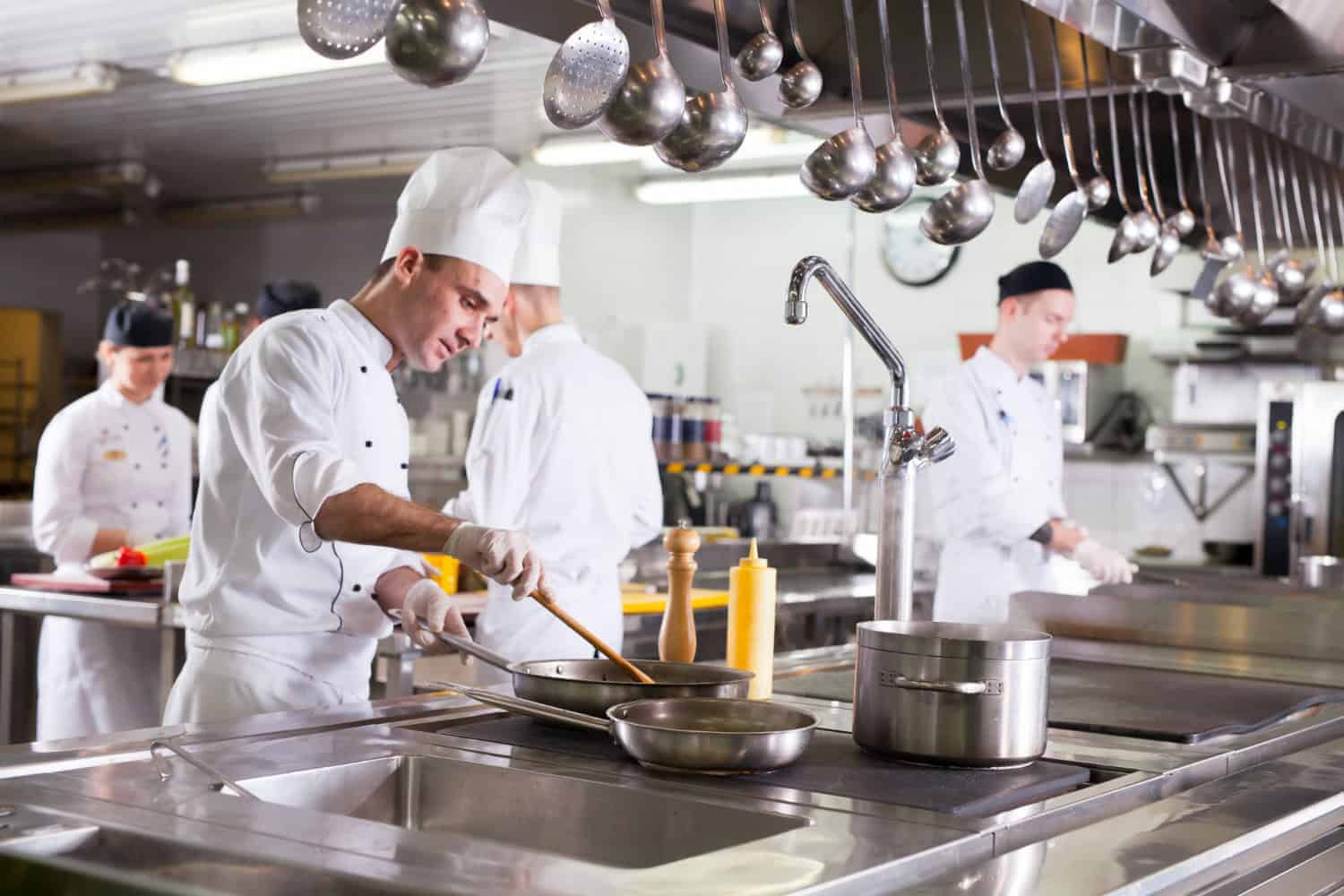
Commercial kitchens are another major source of water use. They’re among the most practical hotel energy-saving tips because kitchen equipment runs daily. Energy-efficient equipment will help you cut back on water and energy use.
While you might not be able to make extreme changes to your restaurant, many little tweaks can really help you save.
- Air-cooled ice machines are more efficient than water-cooled units.
- When you need to upgrade equipment, choose ENERGY STAR® options.
- Install aerators and pedal faucets.
- Turn off any continuous flow fixtures when not in use.
- Pre-soak dishes and run full racks only.
- Defrost food in refrigerators (better for food safety, too).
- Wash vegetables in basins, instead of running water.
- Fix any leaks in the kitchen.
- Install food traps to cut back on blockages.
- Educate staff on water-saving practices in your employee training.
- Make sure you have reliable hot-water recovery so staff don’t have to run taps waiting for heat.
Your hotel kitchen is a great area to see small water-saving actions stack up fast. Other options, like installing a commercial water softener, can help prevent wear and tear on your commercial equipment and extend the life of pieces (remember—better equipment means lower energy and lower energy means savings).
Find more energy and water-saving tips for commercial kitchens here.
Tips For Reducing Water Usage in Hotel Laundry Operations
Another hotel water-use hotspot is your laundry operations. Laundry uses about 16% of hotel water. Reducing wash frequency lowers water, energy, labor, and linen replacement costs. Tunnel washers and washer-extractors improve efficiency. Ozone systems reduce detergent and water use.
Efficient laundry equipment will also help you lower peak hot-water demand, reducing strain on your boiler or water heater. This can make a significant difference. Also, watch your hot water levels. Inconsistent hot water during peak laundry hours may indicate a system-wide performance issue.
Tips For Reducing Water Usage in Hotel Landscaping
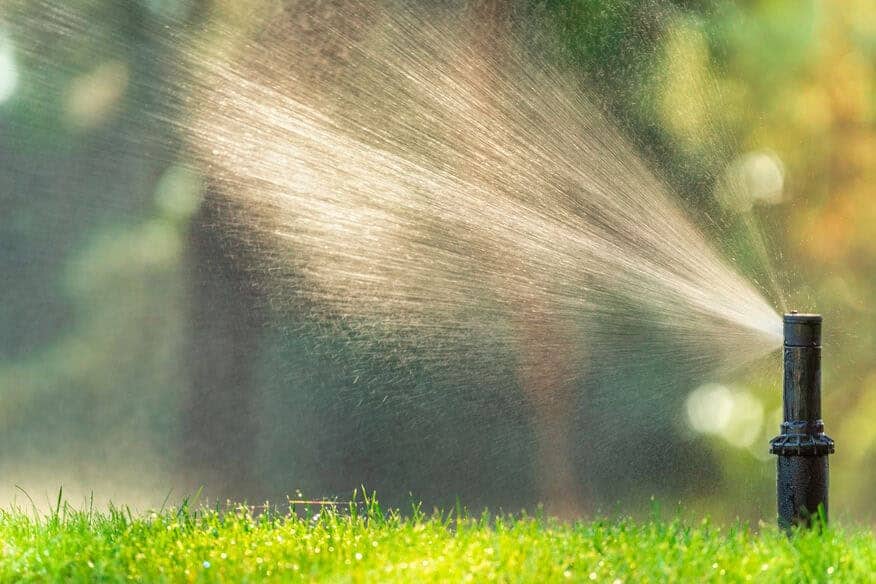
Landscaping accounts for about 14% of water usage and can cause seasonal spikes in water bills. Drip irrigation, rain sensors, and proper scheduling reduce unnecessary water use.
You don’t need to give up on a beautiful landscape. There are a few small adjustments that can keep your grounds looking lush while still helping you conserve water in your hotel landscaping. For example:
- Water 2–3 times per week.
- Remove weeds.
- Avoid over-fertilizing.
- Avoid hosing off hard surfaces.
- Use water timers for sprinkler systems.
- Water during low evaporation times.
- Ensure irrigation applies water evenly.
A Few More Winning Water-Saving Suggestions for Hotels
There are some other easy ways that you can save water at your hotel. Many of them are small, but they can make a big impact on your water savings.
- Sweep hard surfaces instead of hosing.
- Monitor and audit housekeeping practices.
- Switch to dry carpet cleaning.
- Use air-cooled equipment.
One of the most important tips is to include water heaters, boilers, recirculation pumps, and water softeners on your preventive maintenance schedule to improve efficiency and avoid hidden energy waste. Keep in mind that these pieces of equipment are best managed by the pros, so if you have a question about your water heating equipment (or other water accessories), reach out to Reliable Water Services.
We offer 24/7 support for commercial water heaters, boilers, and equipment. When something goes down, we know it can be dire for your hotel. We can help you consider installing a redundancy system to ensure you never run out of hot water. We can also help you make sure your equipment is properly sized to support the needs of your staff and guests, even at peak times.
Reach out today to optimize your commercial water equipment for peak performance. It’s far better to look at your equipment before it goes out than to scramble when you have a hot water emergency (but don’t worry—we’ll show up right away to help with emergencies too).