
For commercial companies, owning a water heater seems to make sense at first… You plan for the installation and then assume you’re done thinking about your commercial water heater. Then one day it fails.
Paying for a commercial water heater at purchase doesn’t mean that your expenses are over. After 10+ years of ownership and use, it can add up to a significant cost—one that exceeds leasing a heater with a maintenance plan in place.
So what should you do? If you’re thinking of investing in a commercial water heater, here’s what you should know about the true costs of ownership (and a practical way to keep up).
Key Takeaways:
- The initial purchase price of your commercial water heater is only one small portion of the lifetime costs.
- Repairs and maintenance on an aging unit can add up very quickly and cost much more than they appear.
- Downtime hits the hardest in facilities that can’t operate without hot water, such as restaurants, senior living facilities, hotels, breweries, apartment buildings, and even salons and spas.
- Planned maintenance and replacement are almost always more affordable than emergency calls, not to mention what you’ll save on stress.

The Water Heater Purchase Price Is Only the Beginning
A commercial water heater can be a significant up-front investment; then there are three big categories of additional expenses that you might face:
- Repairs
- Downtime
- Emergency Labor
Not to mention the other quieter costs that can pile up in the background. But there’s a practical way to protect yourself and get ahead of all these issues.
Total cost of ownership (TCO) can look very different from that initial expense. When we calculate TCO, it becomes evident that owning a commercial water heater adds up:
- Equipment, installation, permits, and commissioning.
- Routine maintenance and replacement parts.
- Repairs and service calls.
- Energy use over the life of the unit.
- Downtime and disruption.
- Removal and replacement at the end of life.
Most business owners are familiar with water heaters in a residential environment. In a commercial setting, there is more to consider. Commercial units run harder than residential ones. That means a greater volume, longer run times, and more recovery demand. Because the unit is doing harder duty, costs often show (and add) up after installation, rather than before.
Many folks don’t even begin to realize the cost until they get their first repair invoice when something goes wrong. After a bit of sticker shock, they often realize that there must be a better way.
Depending on use, quality of the unit, and preventative maintenance, the lifespan of most commercial units is somewhere between 5 and 15 years. It can vary greatly by usage and local water quality. Skipping regular care can also mean that maintenance costs escalate when something goes wrong.
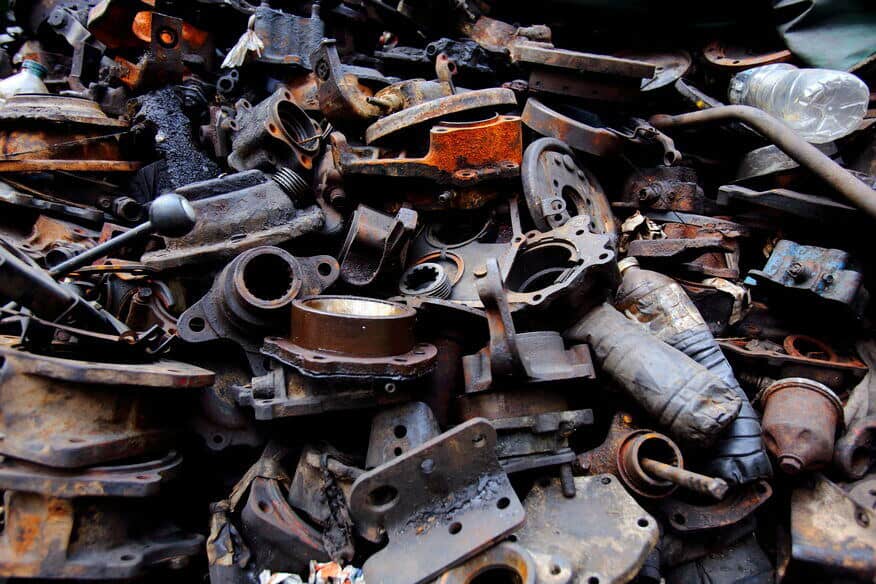
Replacement Parts & Repair Costs That Add Up Over Time
Why do repair costs add up so quickly? Commercial water heating units have many different components, and each one does an essential job. But repairing or replacing each component costs money.
- Heating elements (electric) and burners/igniters (gas).
- Thermostats, controls, and sensors.
- Anode rods (they sacrifice themselves, so the tank doesn’t corrode).
- Relief valves, pumps, and recirculation components.
Each of these pieces is crucial to performance. When one fails, it can put additional strain, wear, and tear on the other pieces. Suddenly, what seemed like a small fix has become an expensive issue—one that shortens the life of your water heater (and causes a budgetary hit).
Oftentimes, a single repair might appear manageable and, in most cases, it actually is, but a pattern of repairs snowballs into a pricey, stressful issue. It’s not just a matter of paying for a new part. Technician time, parts lead time, and follow-ups can all tack onto the price.
Eventually repairs stop making sense. When you’re looking at repeat failures, inconsistent temperatures, rusty water, and leaks in the tank, you’re going to not only have the expense of fixing the unit but also rising energy costs to maintain performance.
If you suspect this might be happening with your commercial water heater, try this simple check-if repairs in a year approach a meaningful share of equipment replacement costs, it’s time to compare your options. An evaluation from a water heater service professional helps you get the real answer instead of a guess.
Downtime: The Cost Nobody Budgets For
Depending on your business, “no hot water” can be a critical issue. For operations that depend on hot water, it’s a true emergency.
- Restaurants: Can’t wash dishes or meet health codes, and service stops.
- Hotels: Guest complaints, comped rooms, and bad reviews.
- Apartment Buildings: Tenant calls, rent-credit requests, higher turnover.
- Healthcare & Senior Living: Sanitation and resident care are impacted, even leading to illness.
- Gyms, Fitness Centers, Schools: Showers, kitchens, and other facilities grind to a halt.
- Salons & Spas: Business stops, with no washed linens or water for services.
The direct costs of a water heater failure are fairly obvious. Most business owners are looking at lost revenue, refunds, temporary closures, and extra labor. But no hot water can also cause indirect costs that might be less obvious. Think: hits to your reputation, bad reviews, tenant dissatisfaction, low staff morale, and management tied up for hours on the phone.
The indirect costs might not ever make it onto an invoice, but they can linger longer and even cause permanent damage.
Take the example of a restaurant whose water heater goes down at 4:30 pm on a Friday. It may take some time to even discover that the hot water is out; then once dishes are ready to go through the wash, staff realize there’s a problem. They have to shut down the restaurant and contact guests with reservations (offering comps or discounts).
The manager on duty has to start calling around for repair services. Then there’s the wait for a plumbing tech, which can take a while if the restaurant doesn’t have a relationship with a hot water heater service. Once the tech gets there, they tell the manager that the unit needs replacement (and by the way, it’s out of warranty). By now it’s 9 pm, and the restaurant has missed a Friday night of revenue.
Then the plumbing tech has to source a new unit and figure in installation time. Even with a 24-hour replacement, things will not be up and running by Saturday evening. The restaurant has to stay closed Saturday and Sunday. The food that was ordered and prepped for the weekend’s diners is wasted. An entire weekend’s revenue is lost. Upset customers leave comments online complaining about the last-minute cancellation.
The restaurant owner hasn’t even written a check yet, and the weekend has been a significant hit to the bottom line. On top of that, they now have to pay for the capital expense of a new (or refurbished) water heating unit. For some restaurants, the entire fiasco could be enough to shut down completely, especially if they’re running a tight budget.

Emergency Labor and Rush Replacement Add Up
Emergencies and unplanned downtime can get expensive fast. You may have to pay for the plumber’s after-hours, weekend, or holiday labor rates.
You’re also rushing the order, so you don’t have time to shop for the best unit available. You might be choosing from limited stock, second-hand units, and discounted pieces. There’s also likely to be a premium for same-day or overnight sourcing.
Choosing in a hurry means compromising and settling for the fastest solution. Emergency installations often default to whatever equipment happens to be available, not necessarily the best size for the building. A mismatched or undersized unit can become its own long-term problem. You might be looking at more repairs, longer recovery time, and higher energy use.
Not to mention any unexpected issues that come up mid-install; maybe they discover a concern about venting, gas lines, electrical work, or code updates that add further complications and expense.
Compare that to a planned replacement. You’re quoted in advance, you get the right-sized unit, and you can have it installed during off-hours or slow periods. If you work with a company like Reliable Water Services, you don’t have to worry. Issues are usually detected before they become emergencies.
At Reliable Water Services, we’re there when you need us, 24/7. Because we offer a maintenance plan, your water heater can be serviced at the first sign of decline. Better still, leasing means you don’t have to pay for the entire unit at once. It’s easier to budget and plan.
Our customers know they can rely on us for regular assistance, such as tank flushing and unit checks. We watch the anode rod, the burner/elements, and safety devices. Problems show up early; as long as you have a reliable technician, you’re rarely left with a surprise failure.
We’ll even help ensure you have backup capacity or redundancy if needed. This can greatly reduce (even eliminate) downtime if one unit fails.
The real question isn’t “what does it cost to buy a commercial water heater?” It’s “What does it cost to own?” On a busy night when a water heater fails, the answer is nearly everything.
Protect yourself by contacting Reliable Water Services today. We’ll help you with a maintenance plan, a system evaluation, and affordable rental plans to ease the stress of replacement. No hot water? It’s no problem with RWS.